
If you own a Tesla Model S or Model X built between 2012 and 2020, there’s a good chance your rear drive unit has a time bomb built into it. Not a dramatic one — it leaks slowly, over years. But when it goes, the repair bill is $10,000 to $20,000. And almost every one of these vehicles is at risk.
The good news: there’s a straightforward preventive fix called a coolant delete, and doing it before the seal fails costs a fraction of a new drive unit.
The Design Flaw in the Tesla LDU
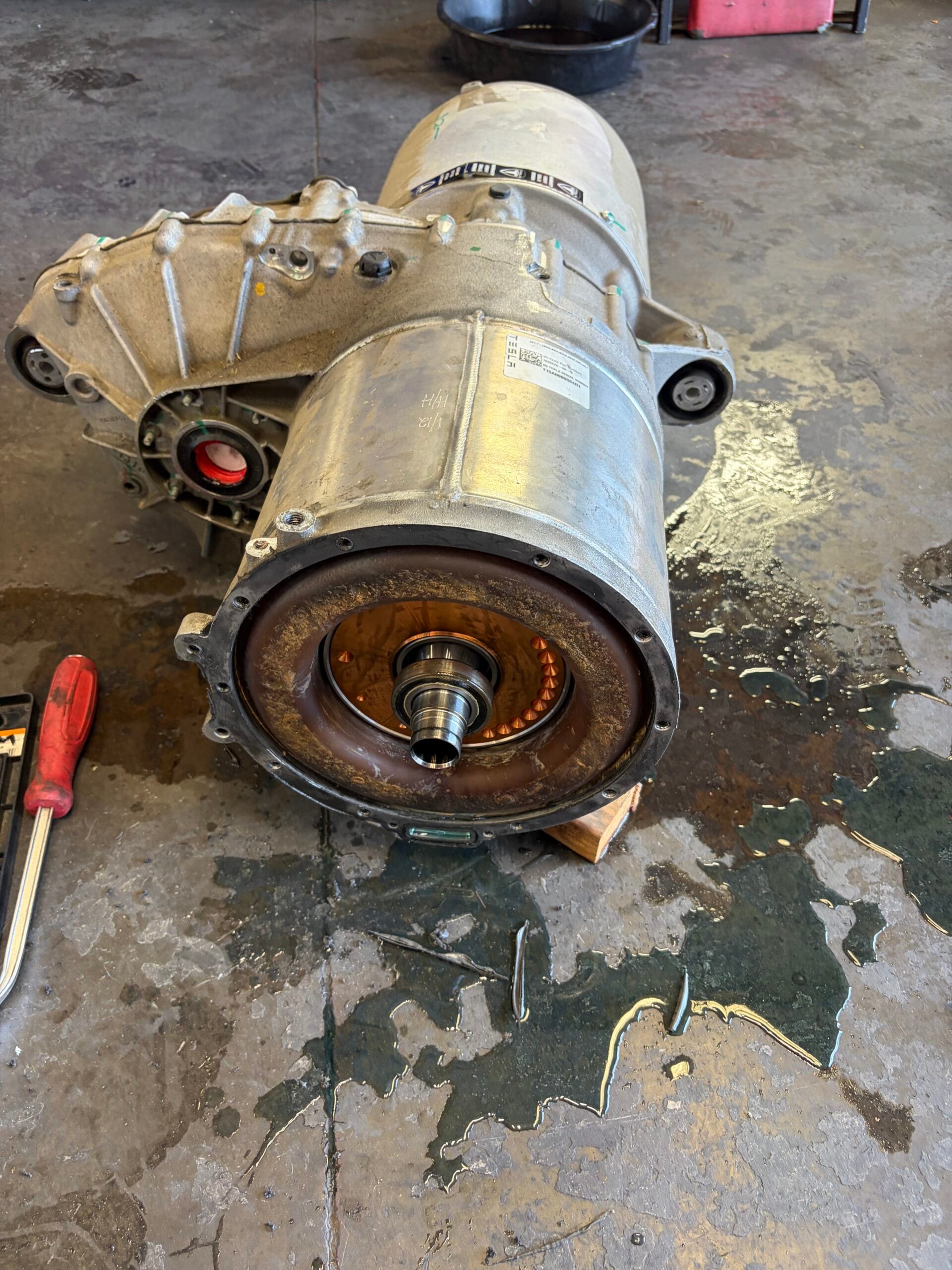
The Large Drive Unit (LDU) is the rear motor on rear-wheel-drive Tesla Model S vehicles and the rear unit on Performance (P-series) dual-motor Model S and Model X vehicles. It’s a sophisticated piece of engineering — but it has one critical weak point: a seal around the rotor shaft that coolant flows through.
That seal degrades with heat cycles, mileage, and time. When it fails, coolant from the rotor cooling circuit leaks into the motor cavity. From there, it:
- Shorts the stator windings (the field coils that make the motor spin)
- Rusts and seizes the rotor itself
- Contaminates the inverter electronics
The result is a dead drive unit. Not repairable in most cases — replacement only.
Tesla’s own acknowledgment of this: in late 2023, Tesla released a redesigned drive unit called Revision U that reroutes coolant away from the rotor entirely, eliminating the failure mode. That’s not a minor update — it’s Tesla admitting the original design doesn’t hold up over time.
Is Your Tesla Affected?
The LDU flaw affects two groups:
- All rear-wheel-drive Tesla Model S (2012–2020) — the single rear motor is the LDU
- All Performance dual-motor Model S and Model X — P85, P90D, P100D, Ludicrous, Performance variants — the rear unit on these is the LDU
If you have a standard (non-Performance) dual-motor Model S or Model X, you’re likely using a smaller rear drive unit (RDU) that doesn’t have this issue. Not sure which you have? We can check from the VIN.
What Early Failure Looks Like
The seal doesn’t usually fail all at once. It seeps. Early signs include:
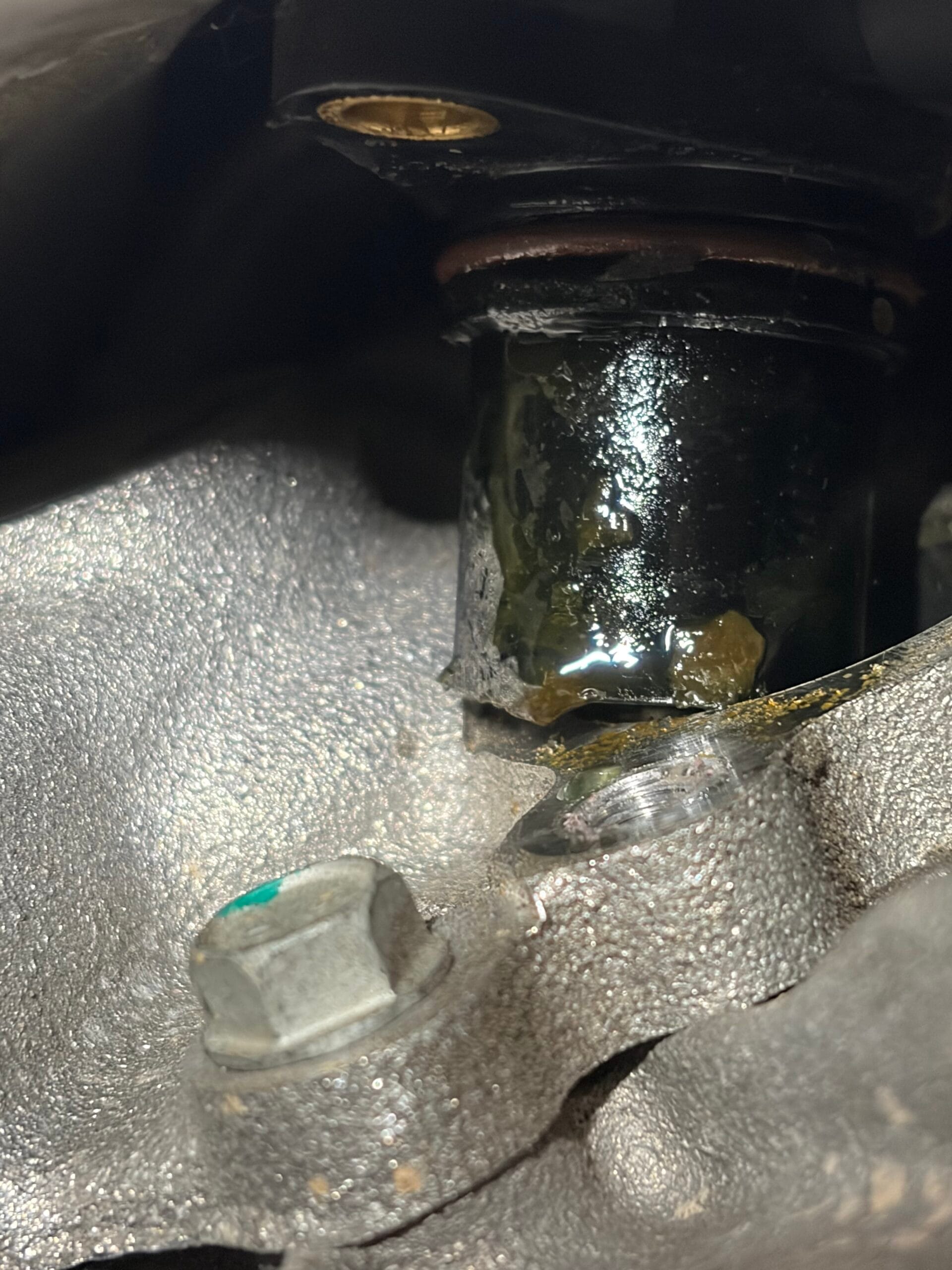
- Wet or rusty speed sensors near the rear of the drivetrain
- A faint coolant smell from the rear of the car
- Unexplained drops in coolant level
- Performance alerts or reduced rear motor output
By the time you notice the smell or the drop in level, coolant has already been entering the motor. If you catch it early enough, a coolant delete can still stop the damage from progressing. If the stator or rotor are already compromised, the delete is no longer sufficient — it’s drive unit replacement time.
What the Coolant Delete Actually Does
The coolant delete caps off the rotor cooling circuit — the specific coolant path that runs through the area where the failing seal sits. Once capped, no coolant flows through the rotor, which means no coolant can leak into the motor through the seal.
Here’s the part that surprises most people: removing the rotor circuit doesn’t reduce cooling — it improves it for the components that matter. With the rotor loop capped, 100% of the LDU’s coolant volume flows through the stator and inverter circuits instead of splitting between two paths. Stator and inverter temperatures actually run cooler post-delete.
The only scenario where rotor cooling matters is under extreme sustained load — track driving, towing at maximum rating for hours. For normal Sacramento commuting, highway driving, and even spirited weekend use, you won’t notice a difference in performance.
When Should You Do It?
Before the seal fails. That’s the whole point. This is a preventive procedure, not a repair. If you own an affected Model S or Model X and the drive unit is still healthy, the coolant delete is cheap insurance against a very expensive failure.
If you’re seeing early leak symptoms — wet sensors, coolant smell — do it now and have us inspect the motor cavity for existing contamination. Early-stage seepage can often be stopped before structural damage occurs.
What We Do at AT Automotive
We verify which drive unit your car has, inspect for existing coolant ingress, install the coolant delete kit to cap the rotor circuit, pressure-test and top off the coolant system, then confirm thermal performance via Service Mode before the car leaves. The whole procedure typically takes a few hours.
AT Automotive is an independent Tesla repair shop in Sacramento at 8561 Weyand Ave. For LDU coolant delete, battery diagnostics, or any Tesla Model S or Model X service, call (916) 957-6884 or schedule online.
See our full Tesla LDU coolant delete service page or our independent Tesla repair Sacramento page for everything else we do.